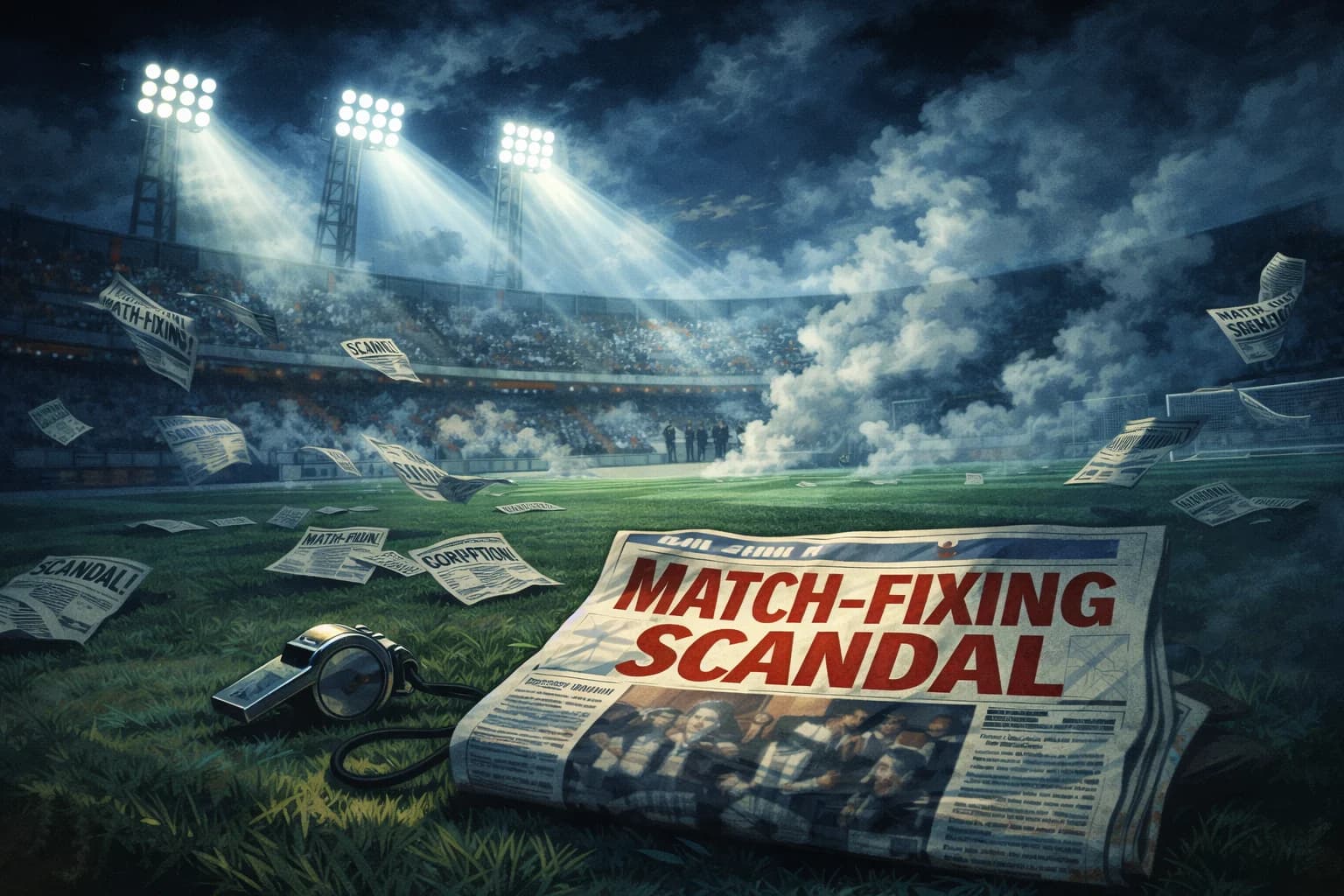
In 2006, Italian football's darkest secrets were exposed. Juventus, the country's most successful club, was stripped of titles and relegated in the biggest match-fixing scandal in sporting history. This is the story of Calciopoli—the scandal that brought giants to their knees.
Calciopoli: Italy's Match-Fixing Scandal That Shook Football
The telephone wiretaps told a damning story. Italy's most powerful football executives, caught on tape arranging referee appointments, discussing match outcomes, and manipulating the beautiful game for profit and glory. When the scandal broke in May 2006, just weeks before Italy would lift the World Cup, it revealed a web of corruption so extensive that it threatened the very foundation of Italian football.
This is Calciopoli—Italian football's darkest hour.
The Old Lady's Fall
Juventus, "La Vecchia Signora" (The Old Lady), stood atop Italian football as the 2005-06 season concluded. Back-to-back Scudetti. Five consecutive titles. Twenty-nine championships in their illustrious history. The Turin giants seemed invincible, boasting stars like Alessandro Del Piero, Gianluigi Buffon, Pavel Nedvěd, and Fabio Cannavaro.
But beneath the glory lay a rotten foundation.
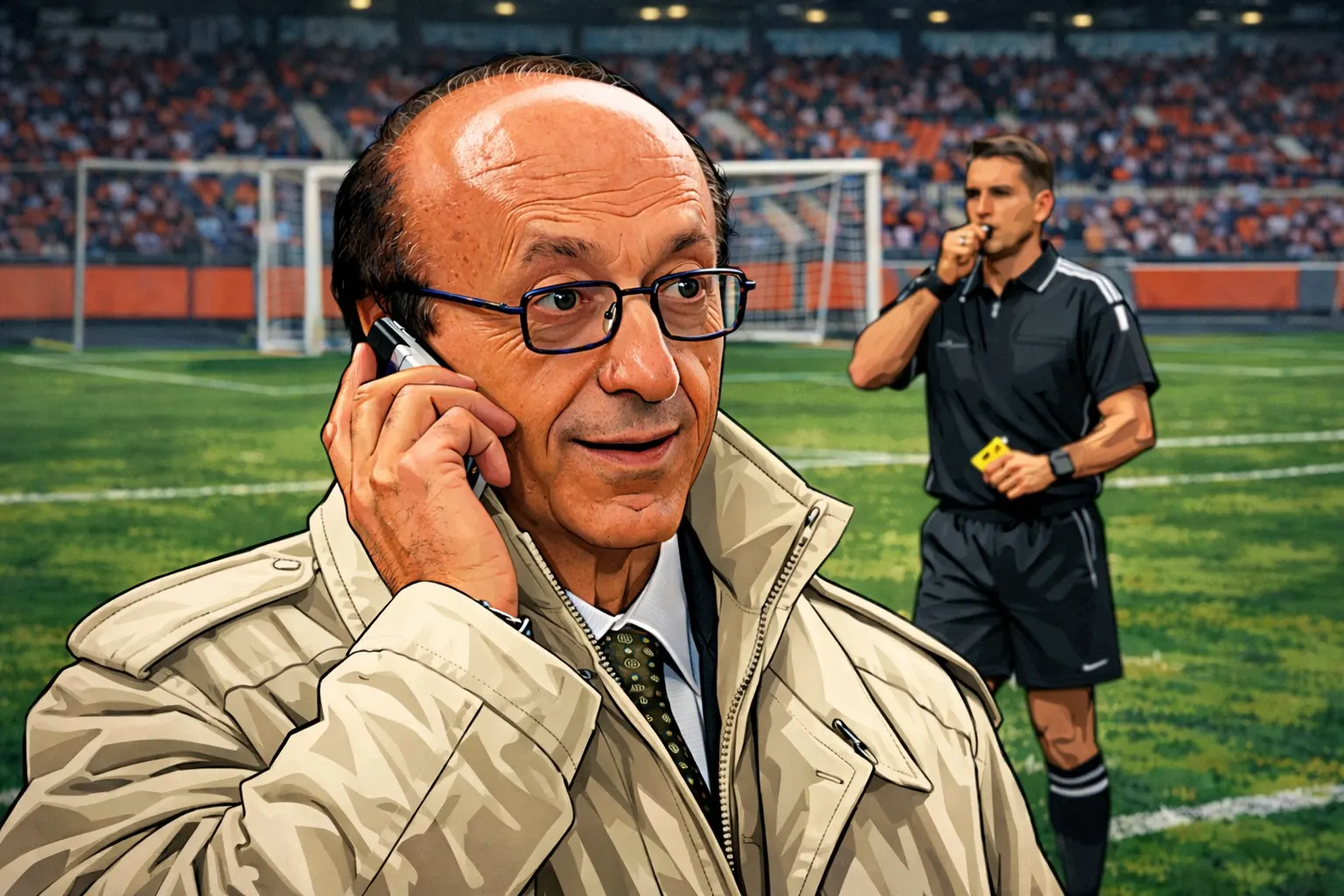 Luciano Moggi – The Architect of Calciopoli
On May 4, 2006, Italian prosecutors released evidence of phone conversations between Juventus general manager Luciano Moggi and various football officials. The tapes revealed systematic efforts to influence referee assignments, ensuring favorable officials for crucial matches. Moggi, one of the most powerful figures in Italian football, had allegedly built an intricate network of influence that gave Juventus unfair advantages.
The revelations were seismic. Moggi's conversations showed him lobbying referee designators, discussing which referees to assign to specific matches, and even arranging for certain referees to be "promoted" based on their decisions favoring Juventus.
The Web of Corruption
As investigators dug deeper, the scandal expanded beyond Juventus. AC Milan, Fiorentina, Lazio, and Reggina were all implicated in various schemes. Even some of Inter Milan's officials faced investigation, though they would ultimately escape punishment.
The methods were sophisticated. Moggi had cultivated relationships with referee designators Pierluigi Pairetto and Paolo Bergamo, essentially controlling who officiated Juventus matches. Before crucial games, he would call to "suggest" favorable referees or discuss problematic officials who shouldn't be assigned.
Other clubs engaged in similar practices, though the evidence suggested Juventus's network was the most extensive and systematic. AC Milan's vice-president Adriano Galliani was caught on tape making similar calls. Fiorentina and Lazio officials had their own referee contacts.
The scandal revealed that Italian football's governance had been compromised at almost every level. The system designed to ensure fair competition had been infiltrated and manipulated by those with the most to gain.
Justice Delivered
In July 2006, the football court (FIGC) handed down unprecedented punishments:
Juventus received the harshest penalty: stripped of their 2005 and 2006 Scudetti, docked 30 points for the upcoming season (later reduced to 9 on appeal), and relegated to Serie B for the first time in their history. Luciano Moggi was banned from football for life.
AC Milan was docked 15 points for the 2006-07 season (later reduced to 8) and barred from the Champions League.
Fiorentina and Lazio were both relegated to Serie B and docked points.
Reggina received a 15-point deduction.
The 2006 Scudetto was initially awarded to Inter Milan, who had finished third. The 2005 title was left unassigned—a ghost championship that would never be celebrated.
The Aftermath
The timing couldn't have been more dramatic. As the scandal unfolded, Italy's national team traveled to Germany for the 2006 World Cup. Several implicated players—Buffon, Cannavaro, Del Piero—wore the Azzurri shirt under the cloud of uncertainty about their club's future.
In one of football's great ironies, Italy won the World Cup. Cannavaro lifted the trophy as captain and won the Ballon d'Or. Yet even in their moment of glory, the shadow of Calciopoli loomed large.
Back home, Juventus faced devastation. Star players fled: Cannavaro and Emerson to Real Madrid, Zlatan Ibrahimović to Inter, Patrick Vieira to Inter, Lilian Thuram to Barcelona. The team that had dominated Italian football was gutted.
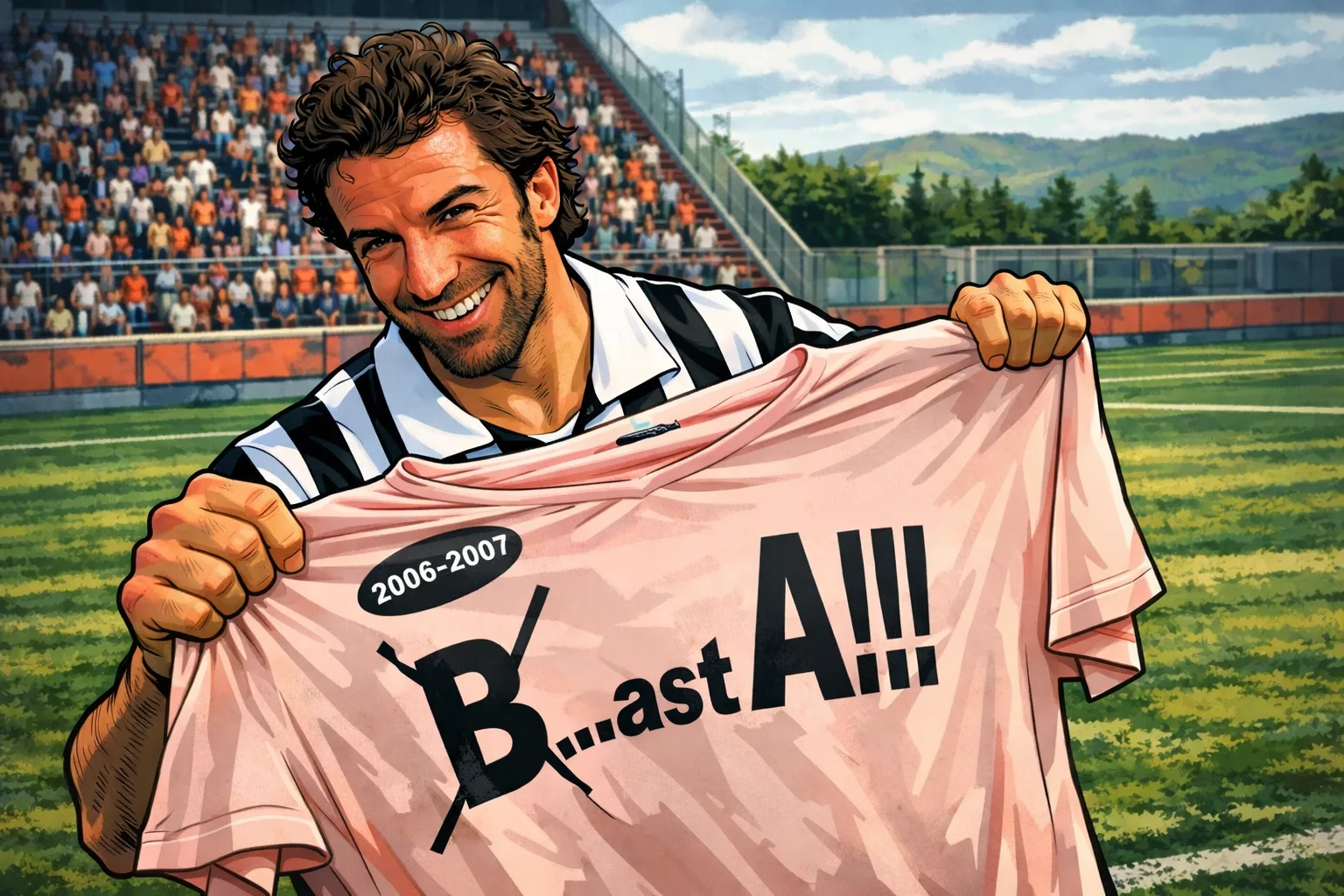 A true gentleman never leaves his lady
Yet remarkably, some stayed. Buffon, Del Piero, Nedvěd, and Camoranesi chose to remain, showing loyalty that would become legendary. Del Piero famously said: "I am a Juventus player, and I will remain one whatever happens."
Their loyalty was rewarded. Juventus dominated Serie B, winning the title at a canter and returning to Serie A after just one season. The club's swift return began a rebuilding process that would eventually restore them to dominance.
The Lingering Questions
To this day, Calciopoli remains controversial in Italy. Juventus fans argue the punishments were excessive and point to evidence suggesting other clubs, particularly Inter, engaged in similar practices but escaped punishment. Some claim Inter's then-president Giacinto Facchetti had similar referee connections but wasn't investigated as thoroughly.
The club has fought for decades to clear their name, pursuing legal cases and appeals. In 2011, the Naples court found insufficient evidence of "sporting fraud," leading some to argue Juventus was scapegoated. However, the football federation has never overturned the original verdicts.
Moggi himself has maintained he did nothing different from other clubs and was made a scapegoat for systemic corruption. He's fought numerous legal battles, with some convictions overturned on appeal while others stood.
Football Changed Forever
Calciopoli's impact extended far beyond the teams directly involved. Italian football's international reputation suffered immensely. Serie A, once considered the world's strongest league, saw its brand tarnished and its stars flee to Spain and England.
The scandal led to significant reforms in Italian football governance. The referee designation system was completely overhauled, with new transparency measures and independent oversight. Communication between club officials and referee designators was strictly regulated and monitored.
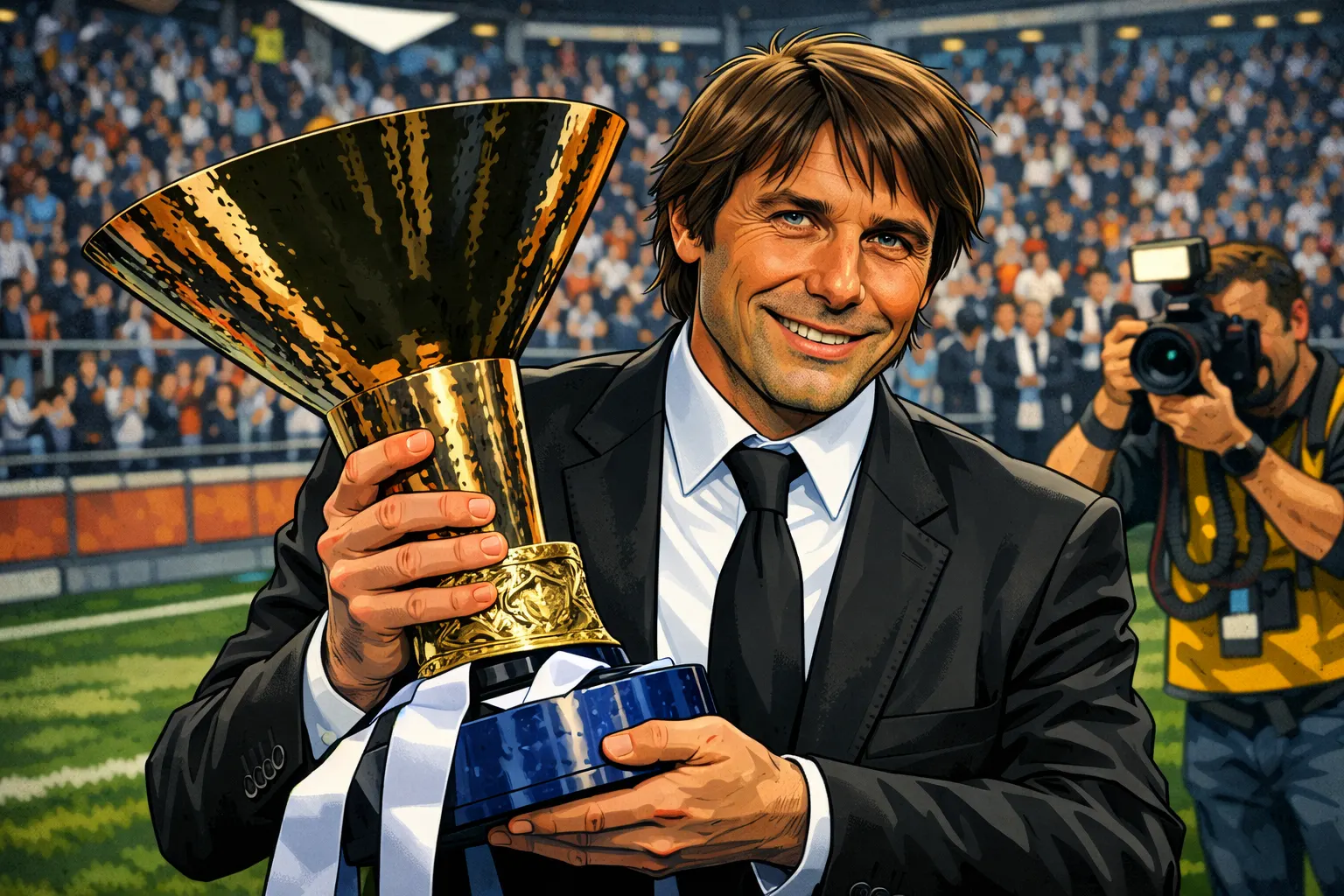 Antonio Conte lifting the first of nine consecutive Scudetti
Yet the shadow remains. Whenever Juventus wins, whispers of Calciopoli resurface. Their nine consecutive Scudetti from 2012 to 2020 were remarkable, but critics always mentioned the asterisk of 2006. The wound, it seems, will never fully heal.
Legacy of Scandal
Twenty years later, Calciopoli remains a defining moment in football history—a cautionary tale about corruption, power, and the fragility of sporting integrity. It showed that even the most prestigious institutions can fall when ethics are compromised.
For Juventus, the scandal became part of their identity. Their recovery and subsequent dominance took on almost mythical proportions among their supporters, a story of redemption and resilience. The phrase "Fino Alla Fine" (Until The End) became their motto, representing those who stayed loyal during the darkest days.
But questions persist. Was justice truly served, or were some spared while others were sacrificed? Did the punishment fit the crime, or was Juventus made an example of systemic corruption that infected all of Italian football?
The answers depend on who you ask. In Italy, football isn't just sport—it's passion, politics, and identity intertwined. Calciopoli didn't just shock Italian football; it revealed uncomfortable truths about the intersection of power, money, and the beautiful game.
And it served as a reminder that no club, no matter how powerful or prestigious, is above the law. When "The Old Lady" fell, she fell hard—but she would rise again, forever marked by the scandal that nearly destroyed her.